Picking the right Battery Checking Machine can really make a big difference in how smoothly your operations run. Whether you're in the automotive world, electronics, or working with renewable energy, it’s super important to know what options are out there. With so many types on the market, it can feel a bit overwhelming, but understanding what features matter most helps a lot.
A good Battery Checker should give you accurate readings without fuss and be pretty straightforward to use. Brands like Midtronics and Foxwell make some solid models with advanced diagnostics, which is great. Still, not all machines are created equal. Some might miss key functions or be a pain to operate — so, it’s worth taking the time to figure out what you actually need before pulling the trigger.
Think about your workflow and the kinds of batteries you handle. If you’re working with different chemistry types regularly, you’ll want a versatile machine that can handle it all. Oh, and don’t overlook the importance of getting some training on how to use the thing. Knowing how to fully utilize its features can seriously boost your efficiency and accuracy. After all, choosing the right battery checker isn’t just about the specs — it’s about matching your needs so you can stay productive and keep your gear reliable in the long run.
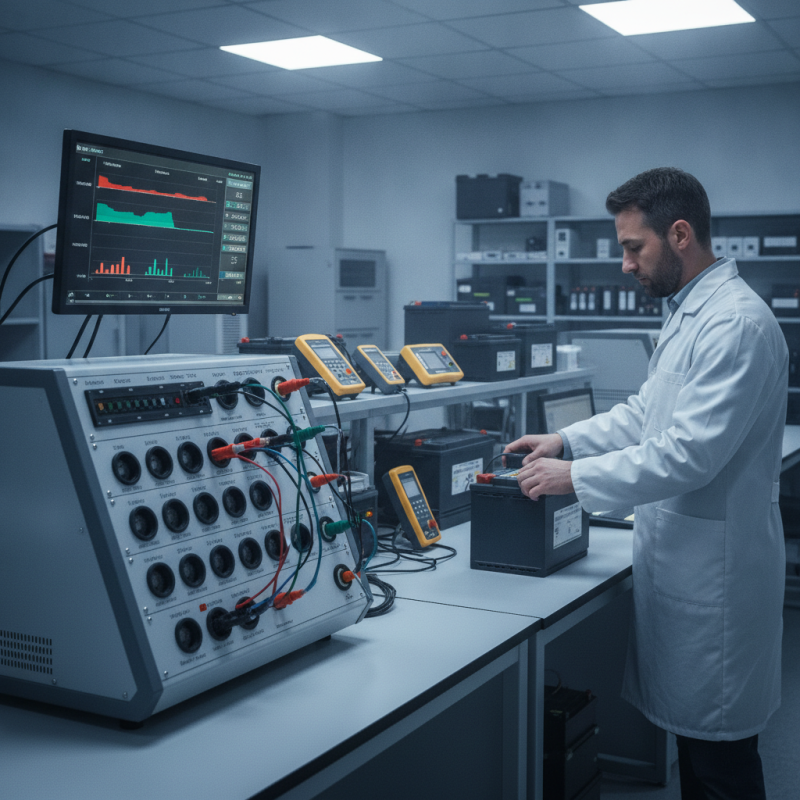
Understanding the Importance of Battery Checking Machines in Maintenance
Battery Checking Machines play a crucial role in equipment maintenance. Their importance can’t be overstated. Regularly checking battery health can prevent unexpected failures. ABattery Discharge Machine can effectively measure a battery's capacity. This diagnostic tool ensures that batteries function optimally, extending their lifespan.
Tips for selecting the right battery checking machine include understanding your specific needs. Identify the type of batteries you will often check. A versatile machine might be beneficial if you handle various battery types.
Consider ease of use as well; technical features should not become overwhelming. Ensure the machine provides accurate readings. Look for models that offer reliable performance and positive user reviews.
Remember, wrong diagnostics can lead to unnecessary costs. Think about your maintenance schedule and workload. A machine that fits seamlessly into your operations simplifies maintenance and enhances reliability.
Key Features to Look for in a Battery Testing Device
When selecting a Battery Testing device, focus on its specific features. Start with measurement accuracy. A high-quality machine should provide precise voltage and capacity readings. It’s crucial for assessing battery health. Look for devices that can test various battery types, like lithium-ion or lead-acid, to match your needs.
Consider the user interface as well. A clear display and straightforward controls make the process smoother. Some testers come with added functions, such as temperature monitoring. This feature helps ensure safety during testing. Battery condition can change with temperature, so this aspect is vital for reliable results.
Software compatibility is another key point. Some testers provide data logging capabilities. This lets you track battery performance over time. However, some machines are overly complex, which can lead to confusion. Choose one that balances functionality with usability. Reflect on your testing needs and remember, an overly intricate device isn't always better.
Analyzing Different Types of Battery Testing Machines Available
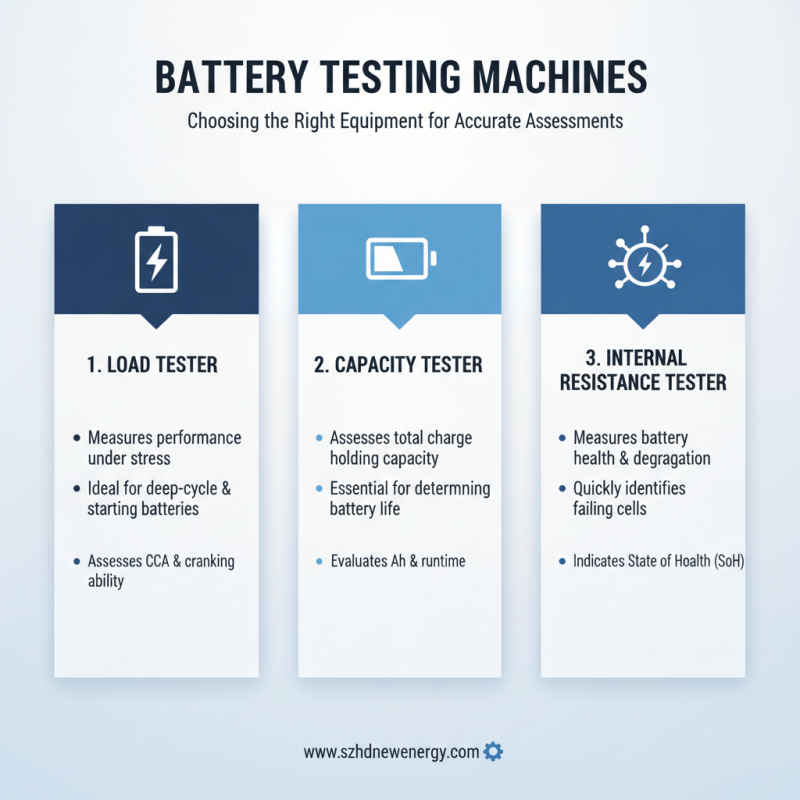
Choosing the right Battery Testing Machine is crucial for accurate assessments. Various types of machines serve different needs. A load tester measures how a battery performs under stress. It’s vital for deep-cycle and starting batteries. Capacity testers assess how much charge a battery can hold. They are essential for finding out battery life.
When considering a battery testing machine, think about your specific requirements. The usage frequency and types of batteries you test matter. Some machines can handle multiple battery types, while others are specialized. Durability and ease of use are key factors too. A complex machine may offer advanced features but can be confusing.
Here are some tips. Always check if the machine provides clear readings. A user-friendly design can save time. Regularly review your current testing methods and adapt as needed. This reflection will help you maximize your machine's potential. The right Battery Testing Machine can make a significant difference in your battery management process.
Industry Standards: What Makes a Battery Checking Machine Reliable?
Choosing a reliable battery checking machine is crucial for effective maintenance. The accuracy of measurements is a key industry standard. A good machine should provide clear readings without ambiguity. It must also handle various battery types efficiently. This versatility ensures it meets diverse needs, from consumer electronics to industrial applications.
Durability is another vital aspect. A machine should withstand regular use without degrading in performance. Look for devices built with high-quality materials. They ensure longevity and consistent accuracy over time. Calibration options enhance reliability. Machines that offer easy calibration help maintain precise readings.
While these standards are essential, it’s also worth considering user feedback. Real-world experiences can reveal potential issues. Some machines may excel in one area but fall short in another. Always examine reviews before making a decision. This reflection can help in identifying the right machine for your specific needs.
Battery Checking Machine Reliability Factors
This chart illustrates the importance of various reliability factors for battery checking machines. Each factor is rated on a scale from 1 to 10, outlining their significance in ensuring a reliable machine for accurate battery testing.
Evaluating Accuracy: How to Measure Battery Health Effectively
When evaluating battery health effectively, accuracy is crucial. A reliable battery checking machine reveals the true state of a battery. It's not just about reading voltage; understanding capacity and internal resistance is vital. A solid tester can indicate if a battery holds its charge well or if it's beginning to fail.
Look for features that enhance measurement accuracy. A quality Battery Tester For Deep Cycle Battery applications should offer precise readings and various testing modes. Consider models with detailed displays that show more than just basic voltage. Many testers include charts to interpret battery conditions. This can be helpful for both professionals and hobbyists.
While high-end models promise accuracy, they might not be necessary for every user. It's wise to reflect on actual needs. A simpler model can still serve well without the extra cost. The majority of users benefit from straightforward readouts, yet some advanced features may become essential for specialized tasks. Balancing features with practical needs often leads to better choices.
Cost-Effectiveness: Balancing Price with Functionality in Battery Testing
Choosing a battery checking machine involves careful consideration of cost-effectiveness. Price often dictates the features available. However, a lower price doesn't always mean lower quality. It’s vital to evaluate the functionality that meets your specific needs. Look for machines that offer essential tests without extra, unnecessary features that may inflate the cost.
Functionality and reliability should align with your budget. Consider machines with proven track records in performance. They might come at a higher price but can save you money in the long run. It's key to assess longevity and accuracy, as these factors impact your investment. Be wary of overly cheap options; they might lack the precision necessary for accurate testing.
Reflect on your unique use cases. Are you testing car batteries, or perhaps batteries for small electronic devices? Each application may require different functionalities. Prioritize machines that can do what you need efficiently. In this context, balancing cost with necessary features is crucial. Not every feature will be worth the price. Choose wisely and invest in quality to truly reap the benefits.
Compatibility Considerations for Various Battery Types and Applications
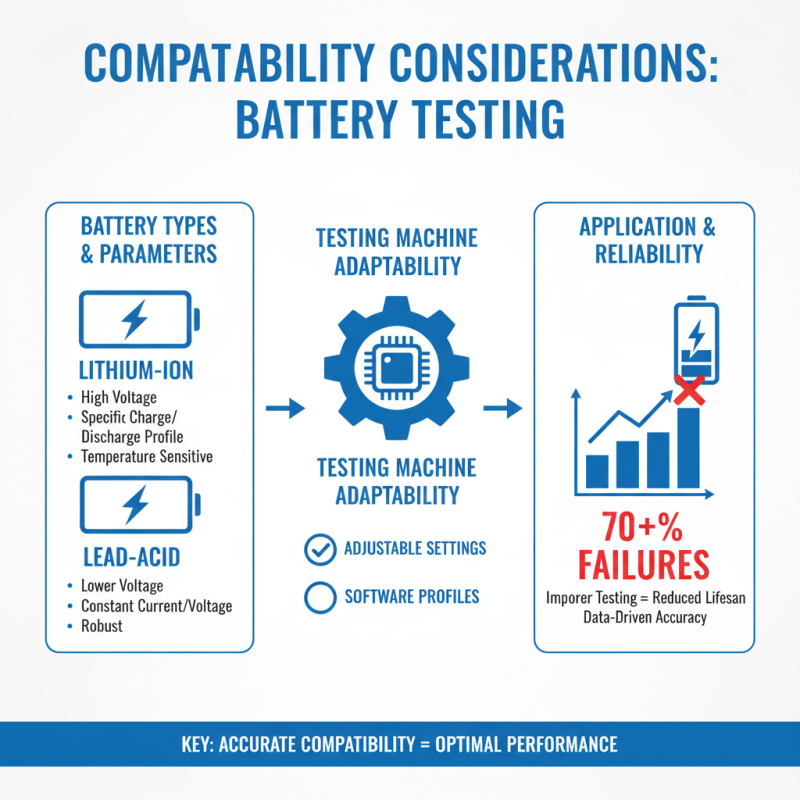
When selecting a battery checking machine, compatibility is key. Different battery types require specific testing parameters. For example, lithium-ion and lead-acid batteries have distinct voltage levels and discharge characteristics. A machine must adapt to these variations. Industry data shows that over 70% of battery failures are linked to improper testing methods. This highlights the need for accurate compatibility.
Using a High Voltage Battery Tester ensures precision for high-capacity batteries. These testers can handle various chemistries effectively. For instance, they gauge the state of charge (SOC) and state of health (SOH) effectively, providing reliable insights for maintenance. However, not all testers are built for every application. Some may not support newer battery technologies like solid-state batteries, potentially leaving gaps in testing coverage.
Understanding your specific needs is crucial. Consider the types of batteries you frequently encounter. Some machines may struggle with high-current tests, impacting results. Reports suggest that nearly 30% of users experience mismatched testing, leading to inaccurate evaluations. This reveals a need for ongoing education and an awareness of technological advancements. Investing in a compatible machine can ultimately save time and resources, enhancing operational efficiency.
Innovative Solutions for Efficient Battery Management: Exploring 32/48 Channel Charging and Discharging Test Cabinets
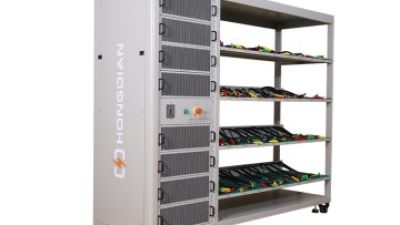
As the demand for energy storage solutions continues to rise, the importance of efficient battery management systems cannot be overstated. The innovation of 32/48-channel battery charge/discharge test systems represents a significant leap forward in this field, offering unparalleled flexibility and efficiency for a variety of applications. According to recent industry research, the global battery management system market is expected to grow from $5.25 billion in 2020 to $17.57 billion by 2027, highlighting the increasing need for robust testing and validation solutions.
These advanced testing cabinets are designed to cater to the unique requirements of diverse applications, from research and development to quality control and production-line validation. Their customizable nature allows operators to seamlessly adapt the system to specific parameters, ensuring comprehensive performance analysis. This adaptability is vital as the complexity of modern battery technologies, especially in electric vehicles and renewable energy systems, necessitates precise monitoring and assessment to optimize performance and lifespan.
Moreover, the ability to conduct simultaneous testing on up to 48 channels greatly enhances productivity, allowing for faster data collection and analysis. This is crucial as manufacturers strive to meet stringent industry standards while accelerating product development cycles. Emphasizing the significance of real-time data monitoring, these innovative test systems support not only the enhancement of battery technology but also the overall transition towards sustainable energy solutions.
FAQS
: They help prevent unexpected failures by regularly checking battery health.
Understand your specific needs and the types of batteries you will check frequently.
Accuracy in readings, reliability, ease of use, and positive reviews are essential.
Yes, a simpler model can meet basic needs without high costs or complexity.
It’s important to evaluate capacity and internal resistance, not just voltage.
Reflect on your actual needs; advanced features may not be necessary for all users.
Poor battery health can lead to equipment failures, increasing maintenance costs.
Yes, models with various testing modes and detailed displays can provide better insights.
Incorrect readings can lead to unnecessary expenses and poor maintenance decisions.
Choose a machine that fits your operations to simplify maintenance processes.
Conclusion
Choosing the right Battery Checking Machine is crucial for effective battery maintenance and longevity. Understanding the importance of these devices involves recognizing their role in ensuring optimal performance and safety of batteries. When selecting a battery testing device, key features such as accuracy, user-friendliness, and compatibility with various battery types must be prioritized.
Moreover, it's essential to analyze the different types of battery testing machines available, each catering to specific needs and applications. Reliable battery checking machines adhere to industry standards that guarantee their efficiency and accuracy. Evaluating the cost-effectiveness of these devices will help strike a balance between price and functionality, ultimately leading to better investments in battery health measurement and maintenance practices.

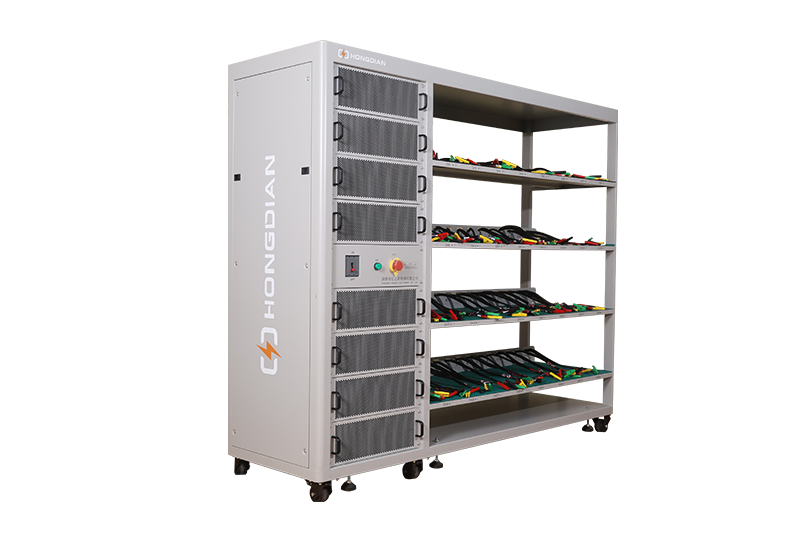 32/48 channel battery charging and discharging test integrated battery cabinet
 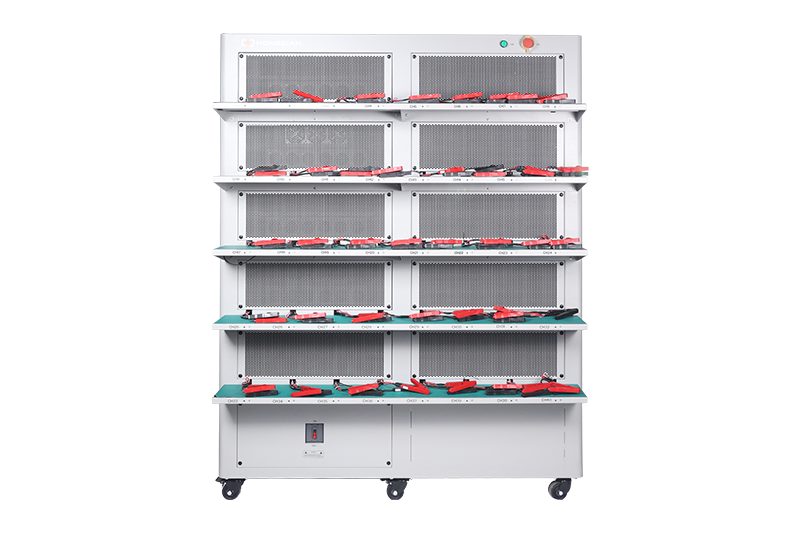 40 channel battery charging and discharging test integrated battery cabinet
  64 channel battery charging and discharging test integrated battery cabinet
 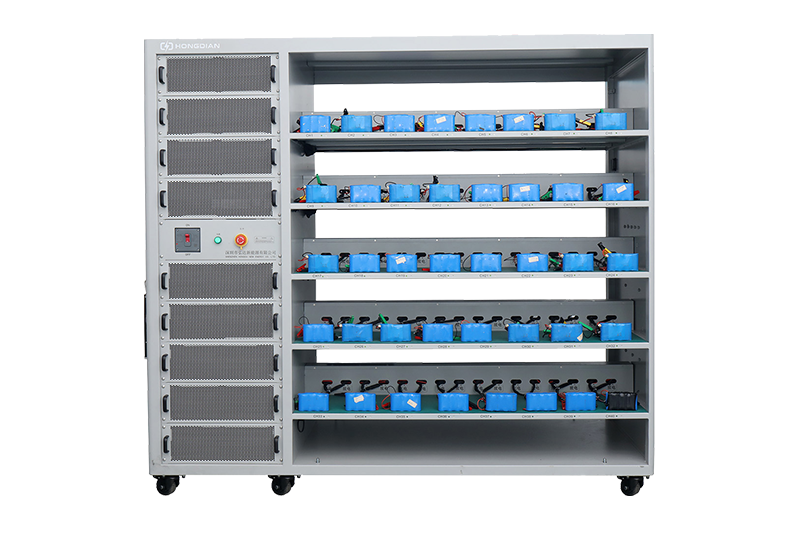 80 channel battery charging and discharging test integrated battery cabinet
 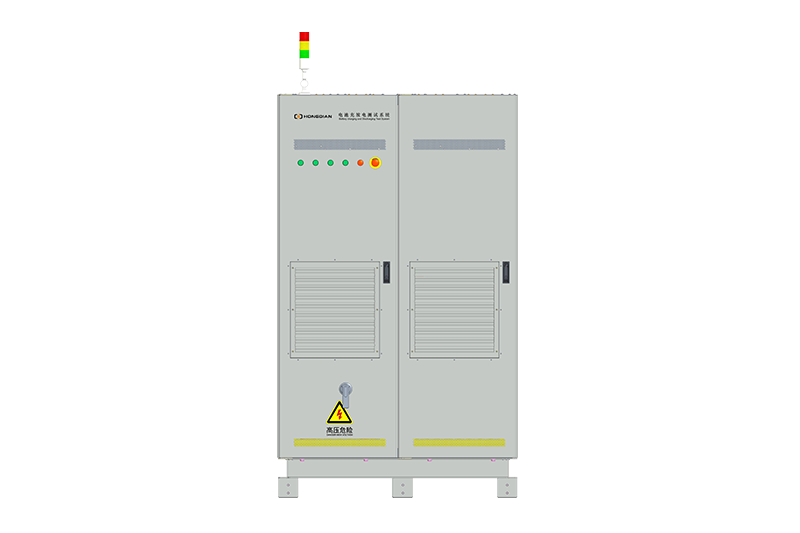 1000V-1500V High Voltage High Current Battery Testing System
 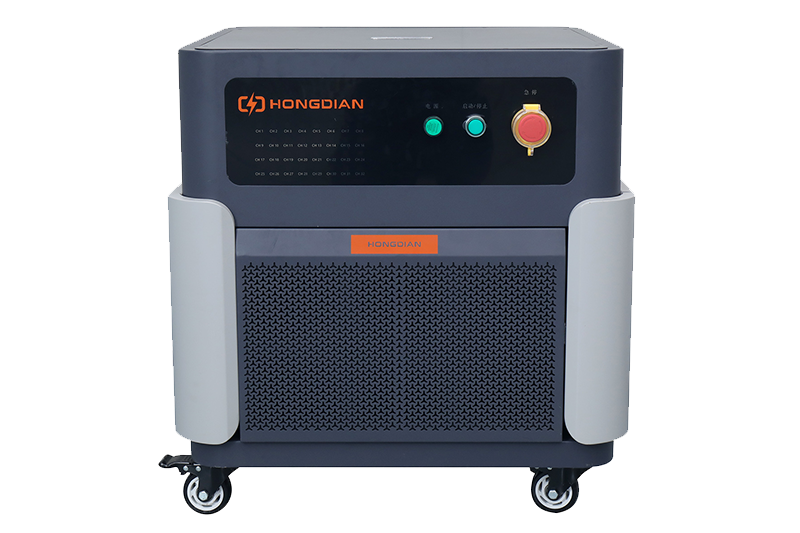 High-Precision Battery Testing System for Enhanced Performance Monitoring 30V/60V/100V/120V
 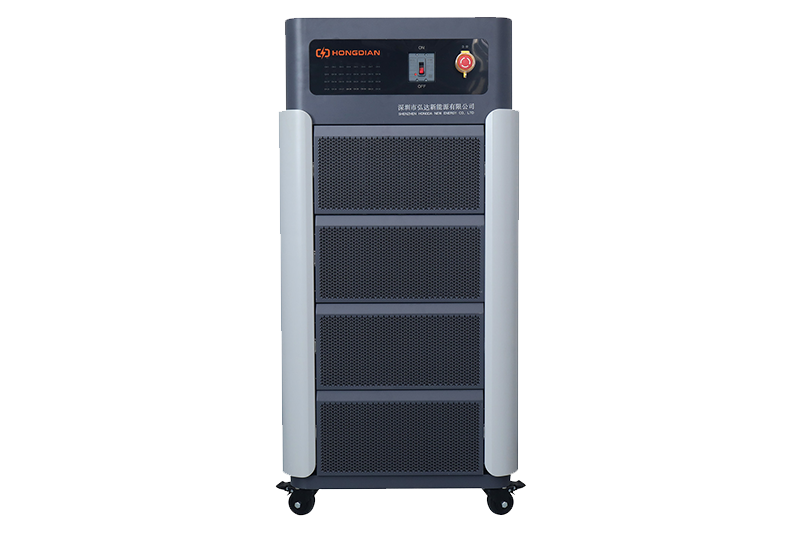 High-Precision Battery Charge Discharge Test Systems for EV Manufacturers
 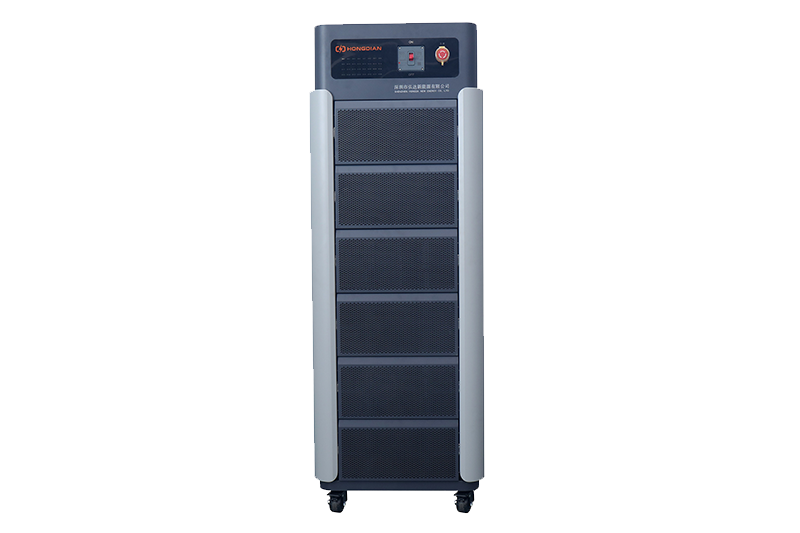 Precision Battery Test Racks for Cell Capacity & Internal Resistance Measurement
  Multi-Channel Battery Testing Equipment for Parallel Performance Analysis