


PACK Module Knowledge Series ① – Basic Understanding of PACK
Why don't new energy vehicles, power banks, or energy storage stations we use daily adopt exposed battery cells, but instead use neat "boxes"? This key step of transforming battery cells into practical products is PACK – battery system integration. It is far more than just "packaging"; it is like a customized system integrating "bones, blood vessels, nerves, and skin" for battery cells to survive and work.
Simply put, battery cells are the "heart" that generates energy, while PACK is the "body" that ensures this "heart" can pump energy safely, stably, and efficiently in various environments. It serves as an engineering hub connecting cutting-edge electrochemical materials and complex terminal applications. Its quality directly determines whether the device in your hand has solid battery life and reliability, or suffers from reduced performance and hidden risks.
PACK Anatomy: Synergy of Six Major Systems
A complete battery pack is the result of precise collaboration among multiple subsystems:
Energy Foundation: Battery Cell Modules
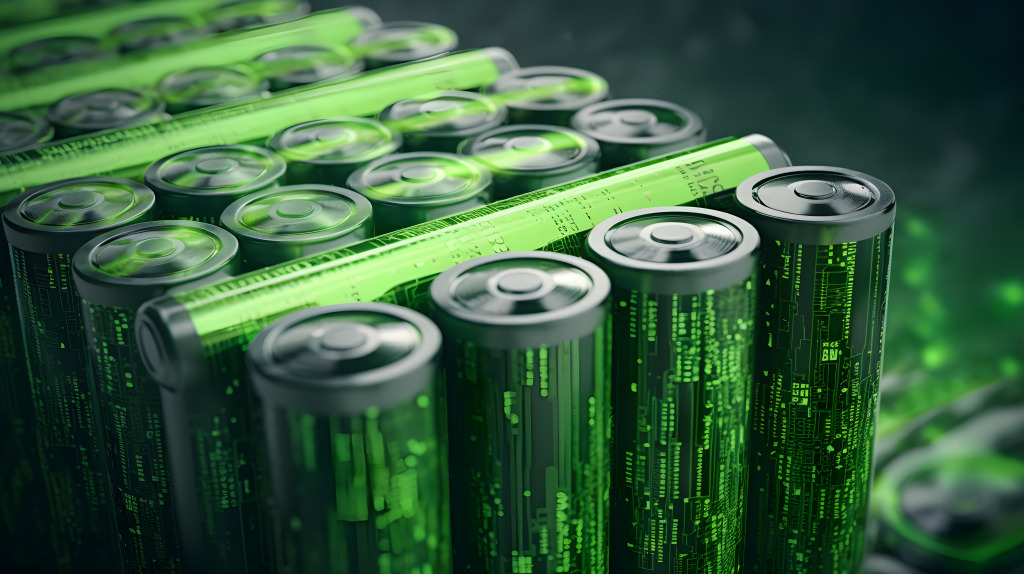
This is the source of energy. Hundreds or thousands of single cells are combined into modules through series (to increase voltage) and parallel (to expand capacity) connections. The current trend is that modules themselves are constantly "evolving" – from bundling multiple standard cells in the early days to now directly using large-capacity "blade" cells or ultra-large cylindrical cells. The goal is to minimize the proportion of inactive materials and allocate more space to active substances that can store energy.
Intelligent Core: Battery Management System (BMS)
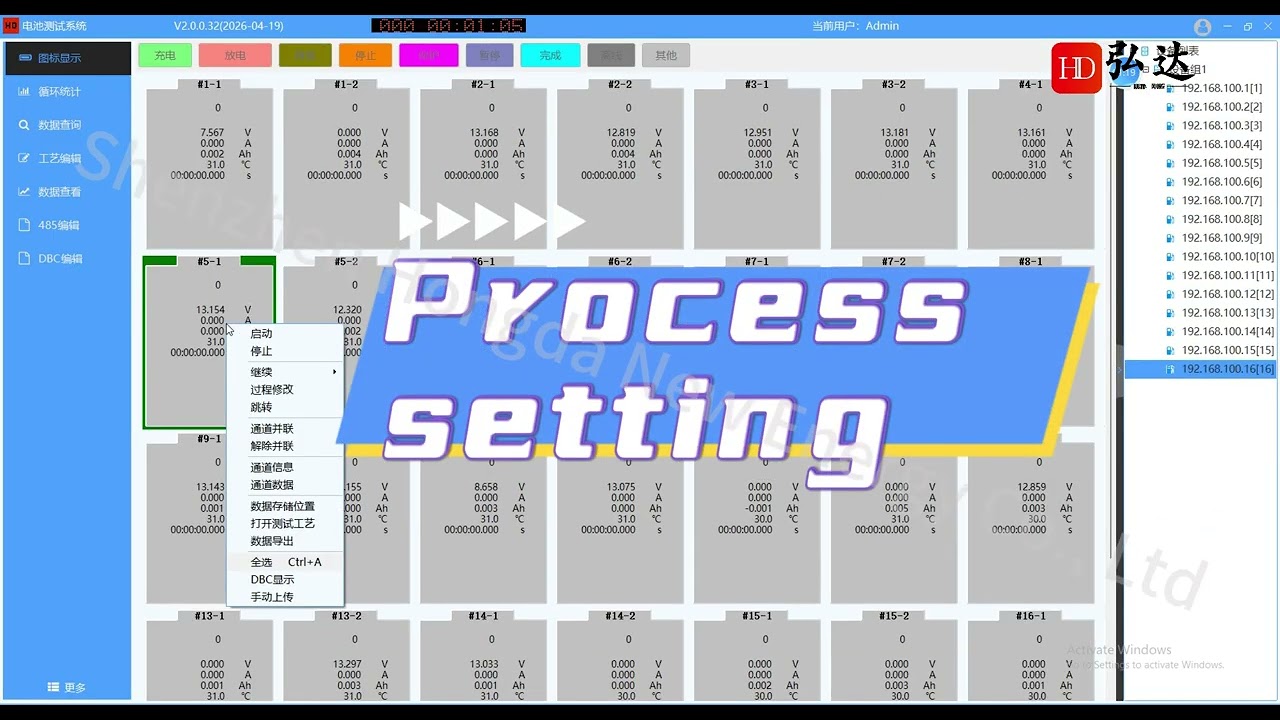
If battery cells are soldiers, BMS is the "brain" and "nerves" commanding the entire army. Its work is extremely arduous: real-time monitoring of the voltage and temperature of each cell or cell group; accurate estimation of state of charge (SOC) and state of health (SOH); intelligent scheduling and balancing during charging and discharging to prevent any individual from overworking or falling behind; and once an abnormality (such as short circuit or overheating) is detected, it must order to cut off the circuit within milliseconds. An excellent BMS is the first and most important line of defense for battery safety and longevity.
Temperature Manager: Thermal Management System
Lithium batteries "fear both heat and cold". The task of the thermal management system is to maintain the battery working within the optimal temperature window (usually 15-35℃). Solutions vary by scenario:
- Air cooling: Heat dissipation through air circulation, featuring simple structure and low cost. Common in early electric vehicles and some energy storage systems, but with limited heat dissipation efficiency and temperature uniformity control.
- Liquid cooling: The mainstream choice for current high-end electric vehicles. Coolant circulates in the pipelines inside the battery pack, enabling precise temperature control and good temperature uniformity, which can effectively support high-power fast charging and continuous high-power discharge.
- Direct cooling: Using refrigerant evaporation for direct heat absorption, offering higher efficiency but a more complex system. In addition, in cold regions, heating films or PTC must be integrated into the PACK to ensure the battery can be activated at low temperatures.
Energy Arteries: Electrical Connection System
It is responsible for safely and efficiently transmitting large currents of hundreds or even thousands of amperes. The connection reliability of busbars (copper or aluminum bars) is crucial, and laser welding has become the mainstream process. High-voltage connectors need to meet requirements such as anti-misinsertion and high waterproof rating (e.g., IP67 or above). In addition, it includes safety components such as fuses and contactors, which act as "fuses" and "switches" in the circuit to physically cut off the energy path in case of failure.
Body Skeleton: Mechanical Structure and Housing
This is the most intuitive part, responsible for physical protection. It must be able to withstand vehicle collisions and daily vibrations, and meet dustproof and waterproof ratings (e.g., IP67). Materials range from high-strength steel and aluminum alloy to composite materials, requiring a balance between lightweight and toughness. Internally, crisscrossing beams, buffer foam, and fire partitions are used to absorb impacts and inhibit thermal propagation.
Auxiliary Organs
Such as pressure relief valves – a passive safety device. When the internal pressure of the battery rises sharply due to gas generation from faults, it can release pressure in a directed manner to prevent overall explosion; another example is the thermal runaway gas emission and diversion channel, a more advanced design aimed at safely guiding flames and high-temperature gases generated during single-cell thermal runaway out of the pack. These details often reflect the forward-looking nature and depth of the design.
The Value of PACK: From "Usable" to "Easy to Use and Reliable"
Therefore, the role of PACK is by no means simple packaging, but comprehensive performance empowerment and safety guarantee:
- Scenario adapter: Translating standard battery cells into forms that meet different terminal needs, whether it is a sports car requiring an 800V high-voltage platform or a handheld device pursuing extreme thinness and lightness.
- Safety multiplier: Through multi-level (cell, module, system) physical and electronic protection, controlling the potential failure risk of a single cell locally to avoid affecting the entire system.
- Lifespan extender: Precise BMS management and balancing technology can slow down the consistency differentiation between cells, thereby delaying the overall attenuation speed of the battery pack.
- Application simplifier: Providing terminal product manufacturers with a plug-and-play, verified energy solution, greatly reducing the threshold for use.
The Art of Manufacturing: Consistency is King
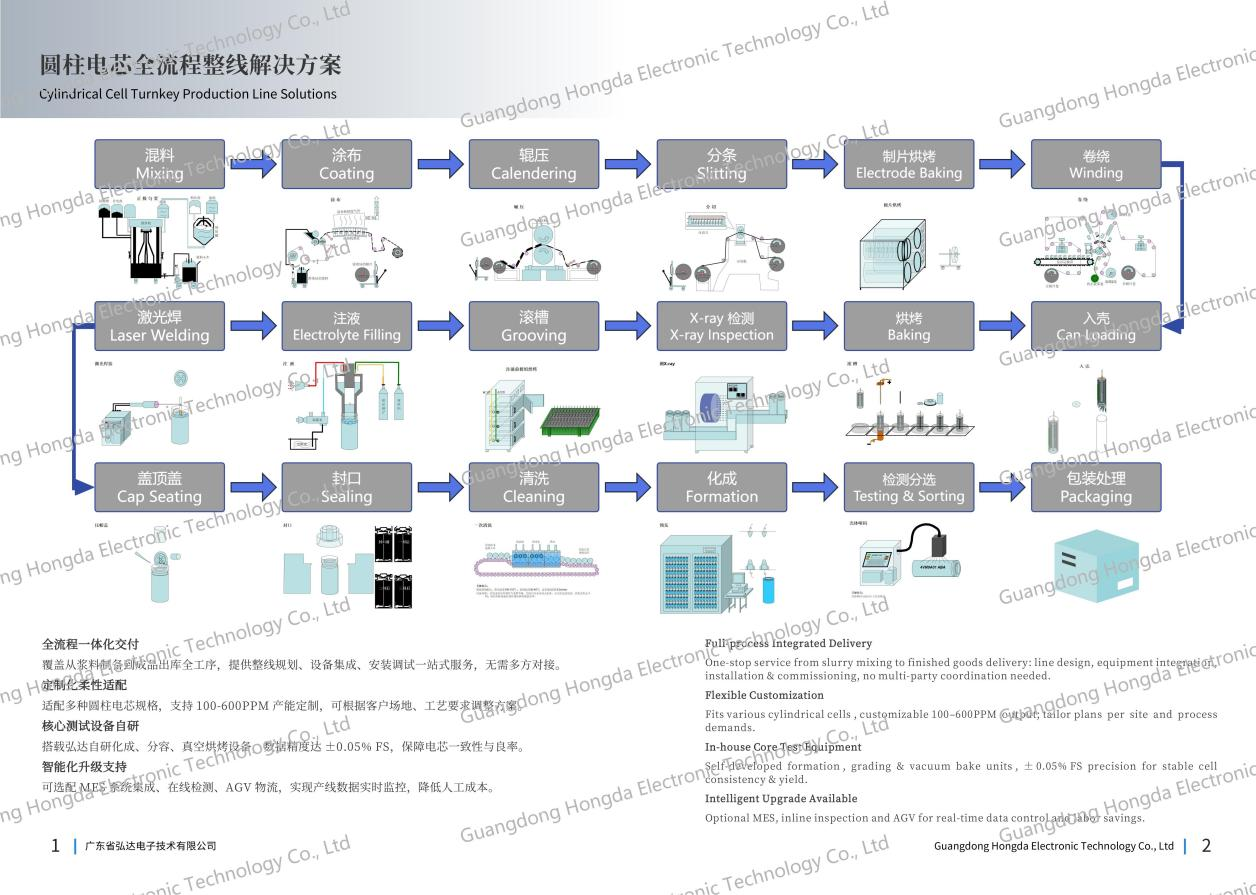
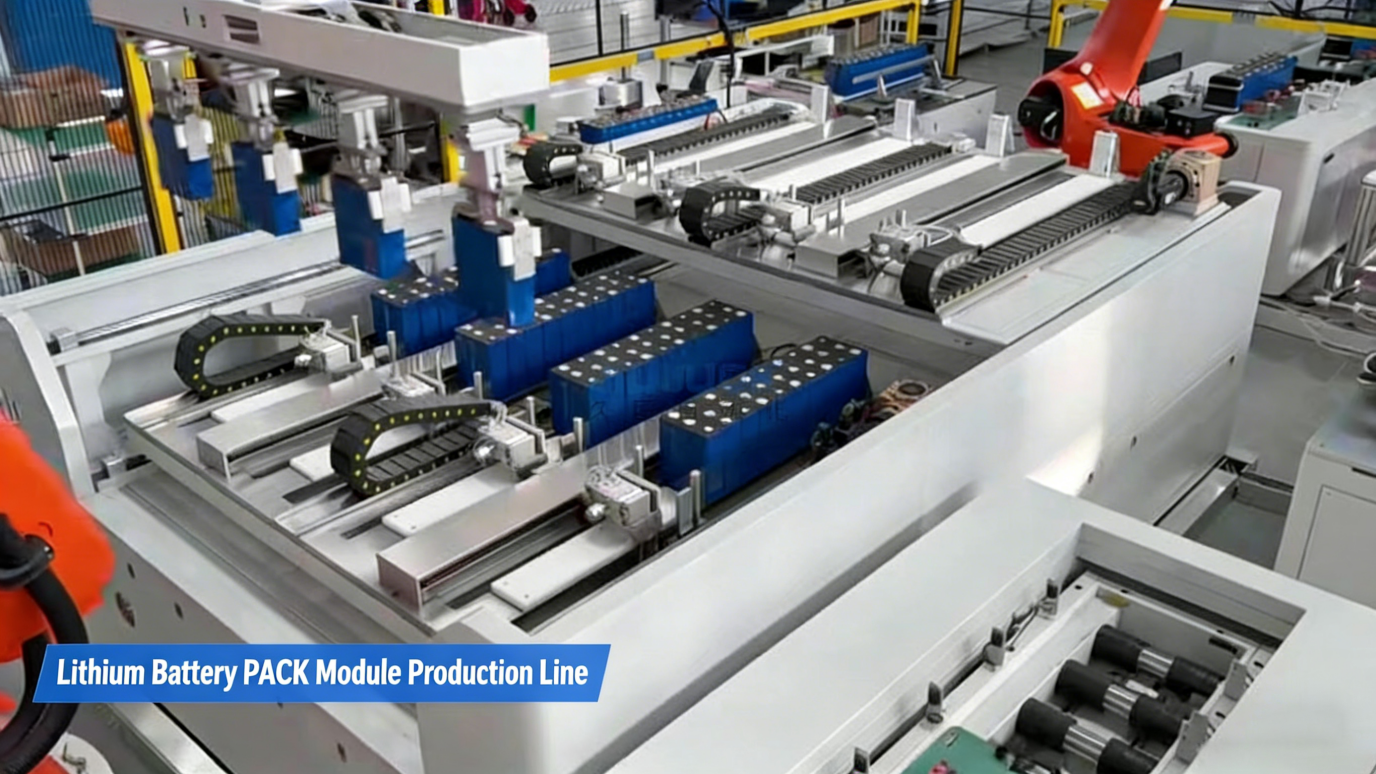
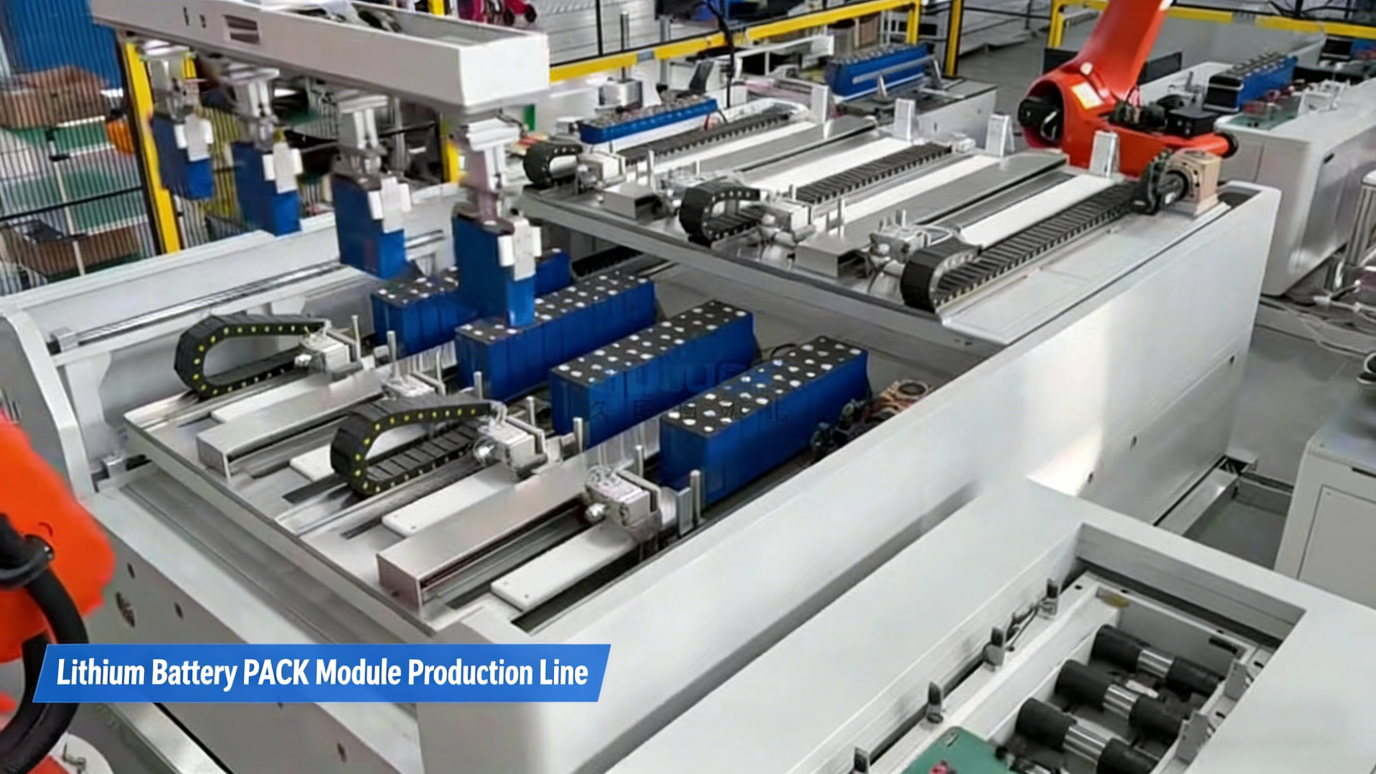
PACK manufacturing combines precision assembly and strict testing. From the accurate sorting of battery cells (to ensure highly consistent parameters of cells in the module), to the strength and consistency of laser welding, and then to comprehensive testing after assembly (air tightness, insulation, charging and discharging, thermal management, mechanical shock and vibration), tiny deviations in each link may be amplified during long-term use.
Future Trends: From Integration to Convergence
The current technological frontier is blurring the physical boundaries of PACK. CTP (Cell to Pack) and CTC (Cell to Chassis) technologies are attempting to eliminate or simplify the intermediate module level, integrating battery cells more closely into the final product structure. This not only pursues higher volume utilization but also poses new challenges to thermal management, structural safety, and maintenance logic.
So, the next time you see the flat battery pack under the car chassis or pick up a fast-charging power bank, you can think that the engineering wisdom contained therein is no less than the chemical breakthroughs of the battery cells themselves. PACK, this integration art of the "last mile", is silently determining the experience ceiling and safety bottom line of new energy products. It tells us that advanced energy storage is not only about material innovation in laboratories but also relies on millimetric precision control on the production line and the overall wisdom of system engineers.
Shenzhen Hongda New Energy Co., Ltd.
We specialize in the R&D, production, and sales of high-precision Battery Testing Systems. Our products cover performance testing equipment for lithium-ion batteries, and energy storage batteries, providing comprehensive testing solutions including charge-discharge testing, environmental adaptability testing, and safety performance testing. With advanced technology, reliable quality, and professional after-sales service, we are committed to supporting new energy enterprises in improving product quality and accelerating technological innovation. For cooperation inquiries, please contact us.