



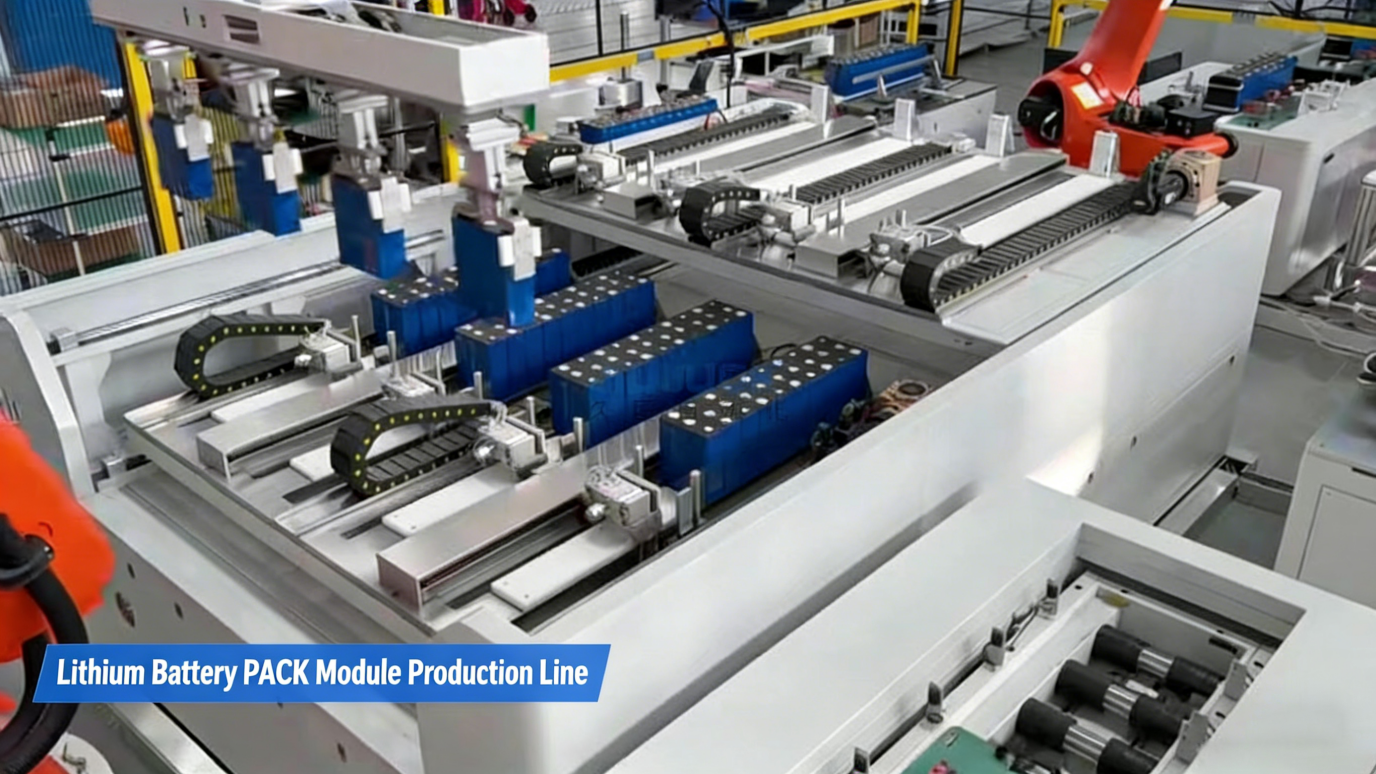
Is a Lithium Battery 100% Safe with BMS Protection?
The straightforward answer is no – even when equipped with a BMS (Battery Management System), a lithium battery cannot achieve absolute 100% safety.
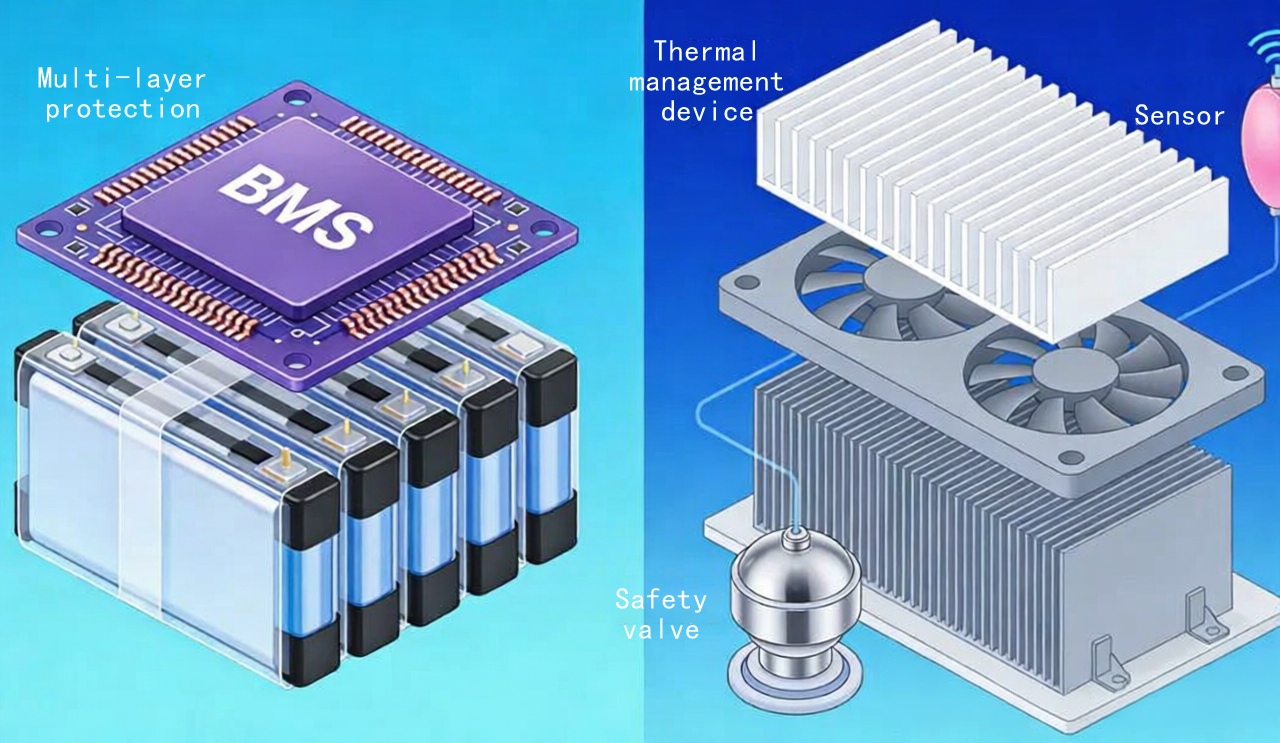
Acting as the "intelligent brain" and "safety guard" of a lithium battery, the BMS is the core system ensuring its safe operation. It can instantly cut off the charging circuit when the cell voltage approaches the upper limit of 4.2V, preventing lithium plating and potential thermal runaway. It also stops discharge when the voltage drops below the lower limit of 2.5V to avoid irreversible damage. Furthermore, the BMS detects abnormal high currents and interrupts the circuit within milliseconds to mitigate short-circuit risks. When the temperature deviates from the safe operating range (typically 15-35°C), it limits power output or activates thermal management systems. Additionally, through cell balancing, the BMS ensures voltage consistency among individual cells in a pack, eliminating the root cause of local overcharging or over-discharging.
However, the protective capability of a BMS is not infallible and has significant limitations. Firstly, there are monitoring accuracy constraints: it might miss subtle short-circuit signals below 5 microvolts, a risk more prevalent in aging batteries. Limited by the number of sampling points, it's challenging to comprehensively track minute state changes across all cells in large battery packs. Secondly, hardware and algorithm flaws exist: approximately 30% of BMS units in some Lithium Iron Phosphate (LFP) vehicle models reportedly have overcharge protection vulnerabilities. To pursue faster charging speeds, some systems skip crucial calibration steps near full charge, leading to cell voltages exceeding safe limits. Failures of BMS chips, relays, and other hardware components are responsible for about 60% of new energy vehicle fire incidents. Under extreme conditions, BMS protection becomes even more inadequate: physical damage like mechanical crush or nail penetration directly breaches cell structures, scenarios entirely beyond BMS prediction or prevention. Rapid thermal runaway triggered by internal short circuits often progresses irreversibly before the BMS can complete detection and response. High ambient temperatures accelerating internal chemical reactions can also overwhelm BMS protective measures. Moreover, communication delays or poor coordination between the BMS, charging equipment, and thermal management systems, as well as cost-driven design compromises like omitting balancing modules or temperature sensors, significantly weaken overall protection.
Real-world incidents highlight these limitations. A fire at a charging station in Changsha was attributed to the BMS skipping voltage calibration for faster charging, causing a cell voltage to surge to 4.5V, far exceeding the 3.65V safety limit, and leading to thermal runaway. Safety accidents at several energy storage power stations have also been linked to BMS failures in detecting early-stage internal short circuits, allowing minor issues to escalate into large-scale thermal runaway events.
Maximizing lithium battery safety requires a multi-layered approach beyond relying solely on the BMS. Firstly, select high-quality BMS products with complete protection features (overcharge, over-discharge, overcurrent, overtemperature, cell balancing) and relevant safety certifications. Secondly, integrate a robust thermal management system that works in synergy with the BMS to maintain battery temperature within the safe 15-35°C range. Regarding usage habits, avoid consistently charging to 100% or discharging to 0%; it's better to charge to 90-95% and discharge to no less than 20% State of Charge. Minimize high-current charging/discharging in high-temperature environments and perform regular checks on the battery and BMS status. From a design perspective, implement multiple protection layers: besides the BMS, incorporate physical safety devices like fuses, PTC elements, and pressure relief valves. Large-scale battery systems should adopt multi-level protection architectures for enhanced safety redundancy.
In essence, the BMS is the core safeguard for lithium battery safety, but it is not a fail-safe "safety vault." While it effectively prevents most common risks during normal operation, it struggles with extreme conditions, design flaws, or complex scenarios involving multiple simultaneous failures. Ensuring lithium battery safety demands a "multi-layered, system-thinking" approach: high-quality cells form the foundation, a reliable BMS provides core support, effective thermal management is crucial, and reasonable usage practices are key. Only through the synergistic cooperation of all these elements can safety risks be minimized, rather than pursuing an unrealistic "100% safe" goal.
Recommendations:
- Energy Storage Technology
- Photovoltaic Power Generation
- Residential Energy Storage
Ensuring Ultimate Safety: The Role of Professional Testing Equipment
While a robust BMS and careful system design are paramount, the foundation of lithium battery safety is built long before deployment – during the research, development, and quality control stages. This is where advanced testing equipment plays a critical role.
Comprehensive testing simulates real-world conditions and potential abuse scenarios far beyond normal operation. This includes:
- Performance & Cycle Life Testing: Evaluating capacity, efficiency, and degradation over thousands of cycles.
- Environmental Stress Testing: Subjecting cells and packs to extreme temperatures, humidity, and thermal cycling.
- Safety & Abuse Testing: Conducting tests like overcharge, short-circuit, crush, nail penetration, and thermal runaway propagation to validate safety designs and BMS responses.
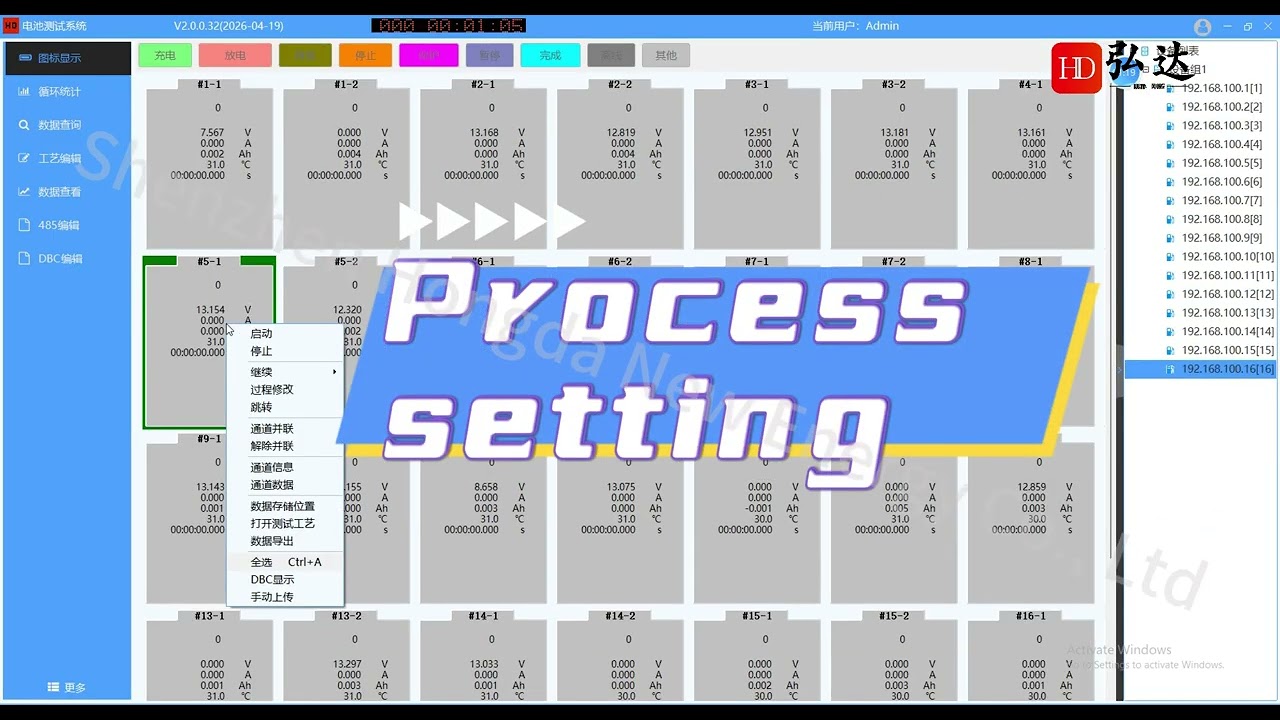
- BMS Validation: Precisely testing the accuracy, reliability, and response times of BMS protection functions under controlled conditions.
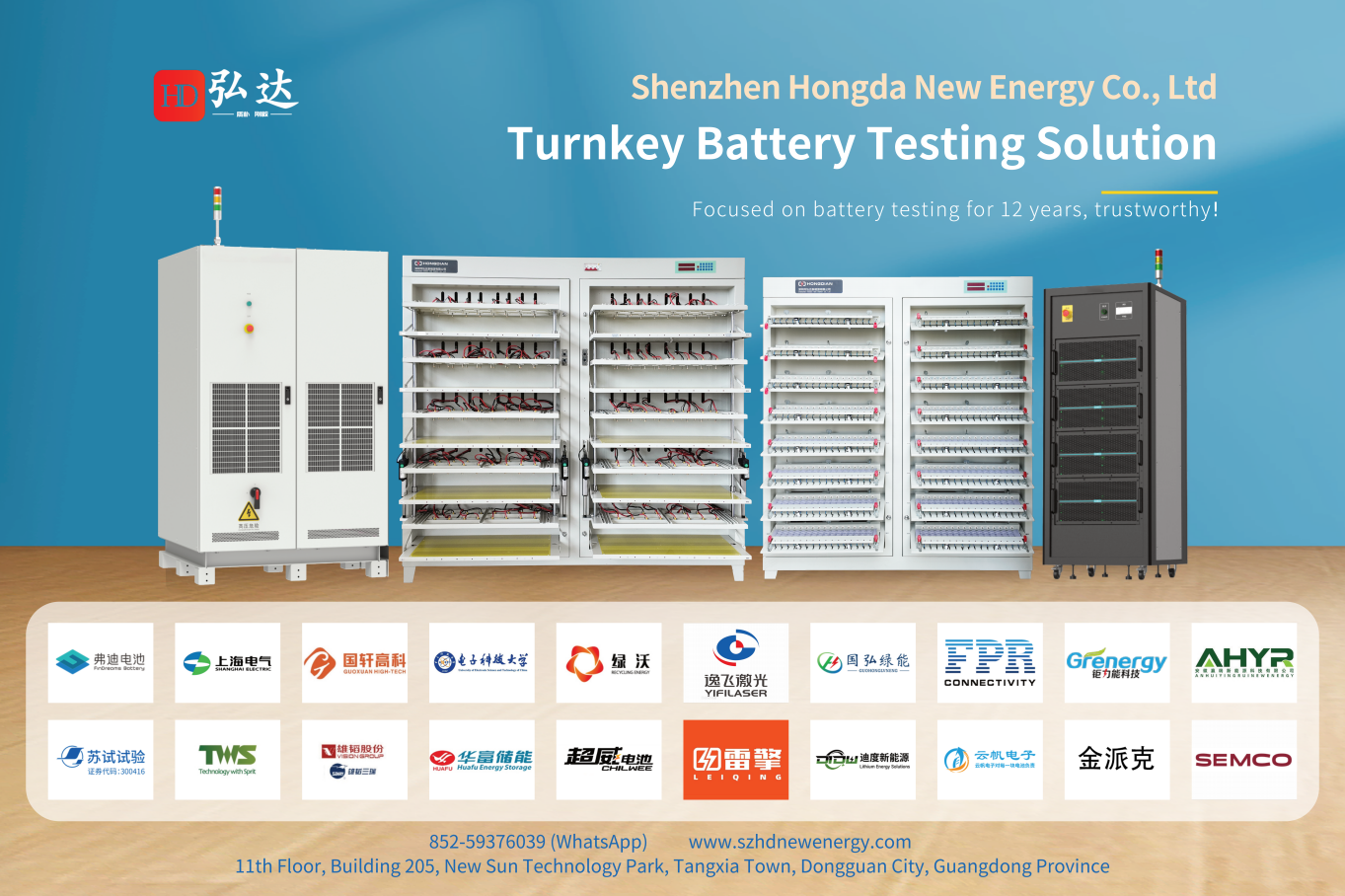
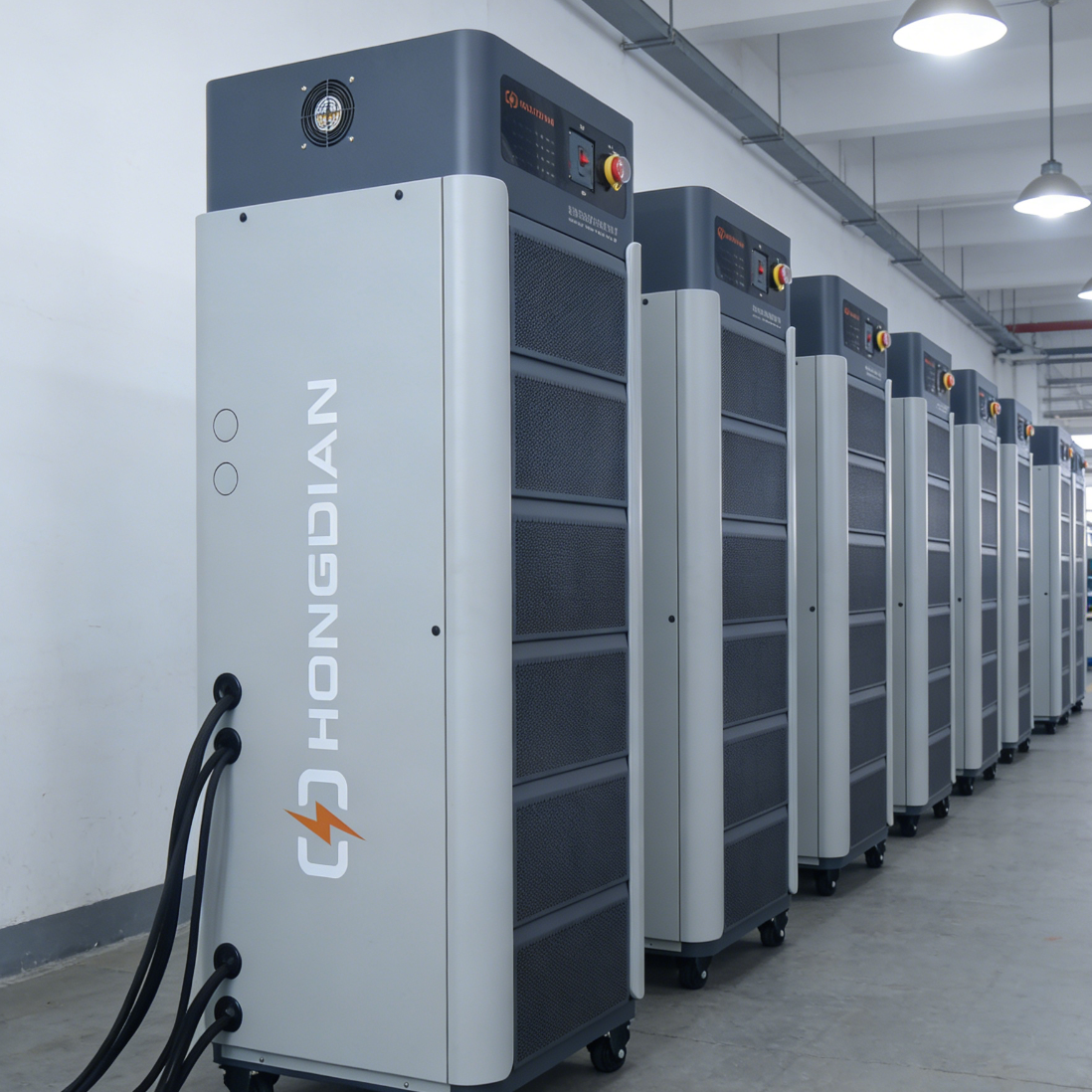
Hongda Test Equipment provides reliable and precise solutions for all these critical testing needs. Our range of Battery Test Systems helps manufacturers, integrators, and research institutions ensure their products meet the highest standards of safety, performance, and reliability. By identifying potential weaknesses early in the design and production process, Hongda's equipment empowers the industry to build safer energy storage systems for a sustainable future.